Try these great recipes below:
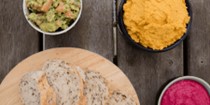
Avocado
Compared with other high-fat foods, avocados are a healthy option. Avocados contain high levels of healthy, beneficial fats and are nutritious. There are many types of avocados, varying in colour, size, and shape. The Hass avocado was first cultivated in the 1920’s, this is the most widely consumed avocado variety worldwide. With plenty of Avocado’s around, this is a great recipe to whip up when friends come round.
Click on the photo to view recipe – Avocado Smash Dip
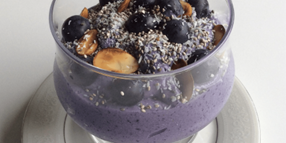
Chia Seeds
Chia seeds may be small, but they’re incredibly rich in nutrients. A staple in the ancient Aztec and Maya diets, these seeds have been touted for their health benefits for centuries. Chia seeds are tiny black or white seeds from the plant Salvia hispanica L. They’re believed to be native to Central America. Chia seeds are a good source of fibre and omega-3 fatty acids. Fiber takes longer to digest and makes you feel satisfied longer.
Click on the photo to view recipe – Blueberry & Coconut Mousse
Polenta
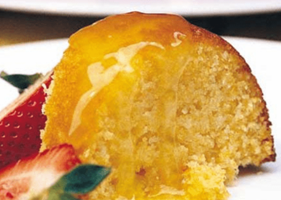
Polenta is cornmeal made from ground flint corn. Polenta is a healthful food choice with several nutritional benefits. Polenta has a rich yellow, yolk-like colour, and has a slightly sweet flavour, it can be cooked to be creamy and thick, or allowed to set and then sliced. Serve it instead of pasta, rice or potatoes. Polenta may be good for health as it contains fiber and protein.
Click on the photo to view recipe – Orange Polenta Cake
Couscous
Couscous is a processed grain product that’s typically made from semolina flour or durum wheat. A staple in many Middle Eastern and Moroccan dishes. Couscous has a very subtle taste, making it easy to combine with ingredients of all flavours. Being that it’s made from wheat and water, couscous is a plant-based food. As it also cooks very quickly this makes couscous a favourite ingredient in the busy kitchen.
Click on the photo to view recipe – Minty Pink Couscous Salad


Lentils
Lentils are relatively quick and easy to prepare, their low cost makes them a good source of protein. Lentils are edible seeds from the legume family. They’re a common food staple in countries such as Turkey, Syria, Jordan, Morocco, and Tunisia, the greatest production of lentils is in Canada.
Click on the photo to view recipe – Lentil & Haloumi Pie
Quinoa
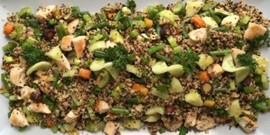
Quinoa is an ancient South American grain that was largely ignored for centuries, it is has now been noticed by the rest of the world and hailed as a “superfood” due to its high nutritional content. Quinoa was first grown for food 7,000 years ago in the Andes. The Incas called it “the mother grain” and believed it was sacred. Quinoa is also popular because it’s a gluten-free grain. This means people with celiac disease, wheat allergies or those who avoid gluten can consume it. There are over 3,000 varieties of quinoa, however, the most widely grown types are red, black and white. There is also a tricolor variety, which is a mixture of all three. It’s packed with vitamins and minerals and contains more protein, fiber and healthy fats than other grains.
Click on the photo to view recipe – Chicken Quinoa Salad

Purple Cabbage
Purple cabbage, also referred to as red cabbage tastes similar to green cabbage. However, the purple variety is richer in beneficial plant compounds that have been linked to health benefits, such as stronger bones and a healthier heart.
Purple cabbage is also rich in nutrients, despite being low in calories, purple cabbage contains an impressive amount of nutrients.
Click on the photo to view recipe – Turkish Pickled Red Cabbage
Zucchini is also commonly called a courgette. The smaller to medium sized zucchinis have the best flavour – not the biggest. A zucchini contains more potassium than a banana and is packed with many important vitamins, minerals, and antioxidants, has a high fiber content and a low calorie count. Zucchini is rich in water and fiber, two compounds which can promote healthy digestion by reducing your risk of constipation and symptoms of various gut disorders.
Click on the photo to view recipe – Zucchini, Carrot & Feta Slice


Bocconcini
Bocconcini are small mozzarella cheese balls. Like other mozzarellas, they are semi-soft, white, and rindless unripened mild cheeses that originated in Naples and were once made only from the milk of Italian Mediterranean buffalo. Nowadays, they are usually made from cow’s milk. The cheese is excellent for cooking due to its high moisture content, which helps it melt more easily. It’s perfect for adding to salads, pizzas, and pasta dishes, or simply enjoyed on its own as a light and refreshing snack. Bocconcini are a good source of protein, which is essential for muscle growth and repair, and calcium, which is important for bone health.
Click on the photo to view recipe – Mediterranean Chicken
Chickpeas
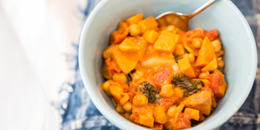
Chickpeas are affordable, versatile, and highly nutritious. Chickpeas, also known as garbanzo beans, have been grown and eaten in Middle Eastern countries for thousands of years. As a rich source of vitamins, minerals, and fibre, chickpeas may offer a variety of health benefits, they also have a low GI . Some studies have suggested that the quality of the protein in chickpeas is better than that of other types of legumes.
Click on the photo to view recipe – Chickpea Coconut Curry
Brown Rice
Brown rice has more nutritional value than white rice. Brown rice is a food often associated with healthier eating, considered a whole grain, brown rice is less processed than white rice, which has had its hull, bran and germ removed during processing. Brown rice only has the hull (a hard protective covering) removed, leaving the nutrient-packed bran and germ. As a result, brown rice retains the nutrients that white rice lacks such as vitamins, minerals, and antioxidants. Brown rice has a low glycemic index (GI) meaning it doesn’t cause your blood sugar to spike after you eat and is also a rich source of dietary fiber.
Click on the photo to view recipe – Minty Green Quinoa & Brown Rice Salad
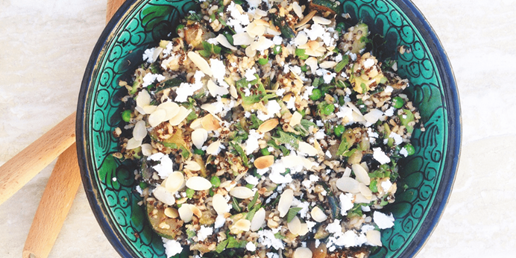

Pumpkin Seed
A pumpkin seed, also known as a pepita, is the edible seed of a pumpkin. The seeds are typically flat and oval, have a white outer husk and are light green in colour after the husk is removed. Pumpkin seeds are a rich source of protein, unsaturated fatty acids, vitamins and minerals. Pumpkin seeds are a great source of dietary fiber which can help promote good digestive health. They can be incorporated into meals very easily, be eaten either raw or roasted and added to smoothies, yogurt, fruit bowls and salads.
Click on the picture to view recipe – Seedy Crackers recipe
Oats
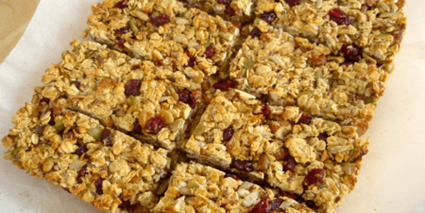
Rolled oats are a whole-grain cereal that has been lightly processed. Old-Fashioned Oats are another name for them. Oat groats are used to make rolled oats. They have a milder flavor and softer texture than steel-cut oats, as they have been partially cooked. Oats are a versatile food that can be eaten at any time of day and added to both sweet and savory dishes. They are among the richest sources of resistant starch and soluble fiber, resistant starches are carbs that are digested and absorbed very slowly.
Click on the picture to view recipe – Dried Cranberry & Mixed Nut Muesli Bars
Cauliflower
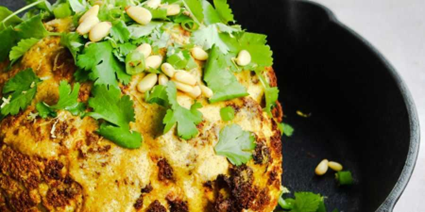
When it comes to nutrition, cauliflower is a superstar. It’s high in vitamins C and K. As a cruciferous vegetable, cauliflower is an excellent source of fiber. Fiber helps maintain healthy digestion, reducing your risk of digestive disorders. It also promotes the growth of good bacteria in your gut. Cauliflower is fat-free and cholesterol-free. And it’s low in sodium.
Click on the picture to view recipe – Whole Roasted Spiced Cauliflower
Kale
Kale is a nutritious food rich in antioxidants, vitamin C, vitamin K, and beta-carotene. Kale is a popular vegetable and a member of the cabbage family. There are many different types of kale. The leaves can be green or purple, and have either a smooth or curly shape. Loaded with important micronutrients and antioxidants, kale is one of the most nutritious leafy greens available.
Click on the picture to view recipe – Carrot, Kale, Coriander & Feta Fritters

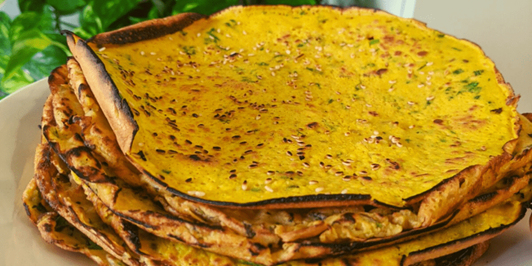
Chickpea
Chickpeas are affordable, versatile, and highly nutritious. Chickpeas, also known as garbanzo beans, have been grown and eaten in Middle Eastern countries for thousands of years. As a rich source of vitamins, minerals, and fibre, chickpeas may offer a variety of health benefits, they also have a low GI . Some studies have suggested that the quality of the protein in chickpeas is better than that of other types of legumes.
Click on the picture to view recipe – Chickpea Chapati/Pancake
Mushrooms
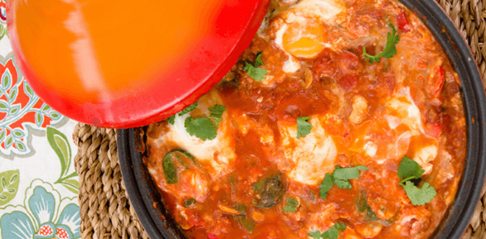
Mushrooms contain high amounts of selenium, vitamin D, and vitamin B6. Selenium can help prevent cell damage in our bodies, vitamin D helps with cell growth, and vitamin B6 helps our bodies form red blood cells. All of these nutrients in mushrooms help to maintain a healthy immune system. They are low in calories, cholesterol, sodium and are classed as a superfood.
Click on the picture to view recipe – Mushroom shakshuka
Salmon
Salmon is one of the most nutritious types of fish that offers several health benefits. Rich in omega-3 fatty acids, vitamin B’s and other essential nutrients, Salmon is an excellent food source for the heart and brain. Salmon is also one of the few foods that naturally contain Vitamin D, which your body needs to maintain a healthy immune system and absorb calcium for strong bones.
Click on the picture to view recipe – Dukkah crusted salmon fillets with zesty veggies

Garlic
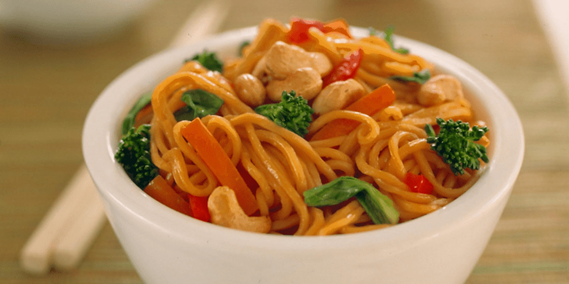
Garlic is a flavourful and aromatic herb widely used in cooking for its distinctive taste and health benefits. Rich in nutrients, garlic is a good source of vitamin C, vitamin B6, manganese, and antioxidants. Garlic is often praised for its ability to support heart health. It also boosts the immune system and may help fight off colds and infections. Garlic is incredibly versatile in the kitchen. It can be used raw, roasted, sautéed, or added to a variety of dishes such as soups, sauces, stir-fries, and marinades. Whether eaten for its flavour or health benefits, garlic is a simple yet effective way to enhance both the taste and nutrition of your meals.
Click on the picture to view recipe – Honey Soy Vegetable Noodles
Cacao
Cacao powder is made by grinding the beans of the cacao tree, a process that retains many of the bean’s beneficial nutrients. It’s a rich source of antioxidants, particularly flavonoids. Cacao powder is high in magnesium, iron, and fibre, and it contains small amounts of protein and potassium.
Often used in baking, smoothies, and hot drinks, cacao powder offers a deep, rich flavour without the added sugars found in processed cocoa products. It’s an excellent way to enjoy chocolate flavour in a healthier form. Because it’s less processed than cocoa powder, cacao retains more of its natural nutrients, making it a better option for those looking to maximize the health benefits of chocolate.
Click on the picture to view recipe – Frozen Chocolate Cheesecake


Carrots
Carrots are a crunchy, sweet root vegetable known for their vibrant orange colour, though they also come in purple, red, yellow, and white varieties. They are best known for their high content of beta-carotene, which the body converts into vitamin A. Carrots also provide a good amount of fibre. In addition to vitamin A, carrots are rich in vitamin C, potassium, and antioxidants. They are low in calories, making them a great snack for weight management.
Carrots are incredibly versatile and can be eaten raw, roasted, steamed, or added to soups, stews, salads, and juices. They add natural sweetness to both savory and sweet dishes, making them a nutritious and delicious addition to any meal.
Click on the picture to view recipe – Sausage Rolls
Thank you to Dietitians Australia who have kindly let us use the recipes from their website.
Accredited Practicing Dietitians are nutrition professionals with the qualifications and skills to provide expert personalised nutrition and dietary advice.